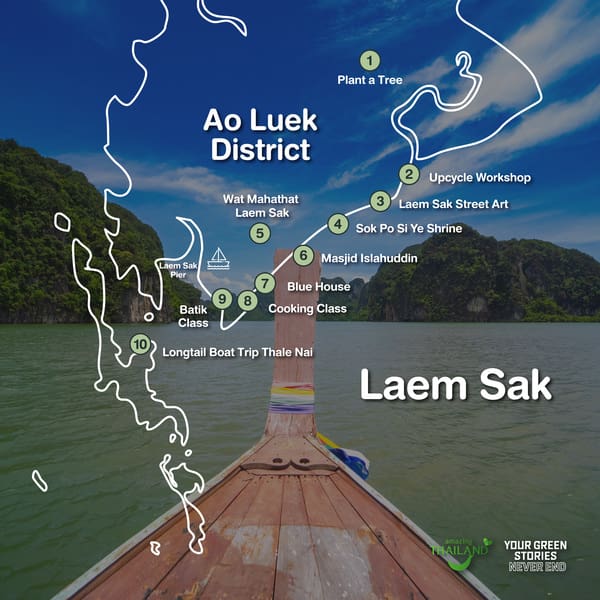
Experience the charm of Lam Sak, Krabi, a vibrant melting pot of three cultures. Cruise on an electric boat through the serene inner sea, soaking in peaceful views and eco-friendly vibes. Come refresh your soul with nature’s gentle touch — a journey you’ll never forget!
How to go: By private car, it takes approximately 1 hour to travel from Krabi Town to Laem Sak Community.
#AmazingThailand #YourGreenStoriesNeverEnd #Krabi #KrabiGoGreen
#AmazingThailand #YourGreenStoriesNeverEnd #Krabi #KrabiGoGreen
Laem Sak, Krabi — where sea, sky, and community blend in harmony. Listen to the gentle waves and the voices of local life. Here, every sound tells a story of nature, tradition, and peaceful living.
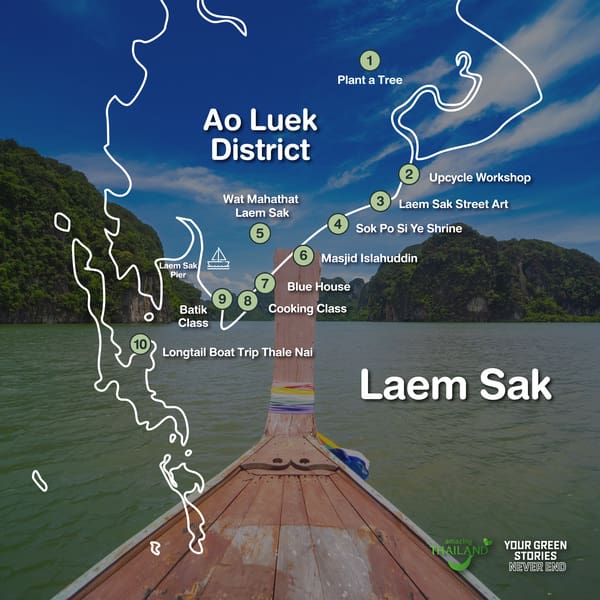
Laem Sak is a land of three cultures—Thai Buddhist, Thai Muslim, and Thai Chinese—living peacefully together for over a century. Cultural landmarks stand side by side, set against majestic mountains and the sea, with a charming way of life reflected in diverse local cuisine and traditions.
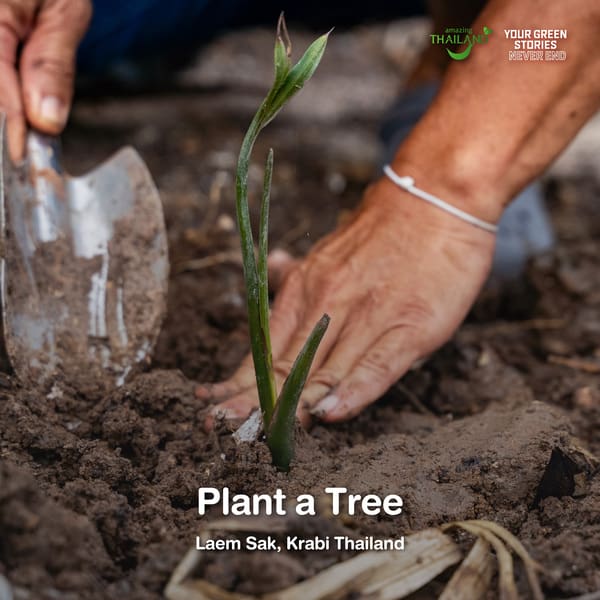
Nypa Palm (Ton Jak) was once an important economic plant for the Laem Sak community, valued for its many uses—leaves for thatching roofs, ingredients for traditional desserts, and fresh or preserved fruit. It also serves as a nursery for coastal marine life and helps prevent shoreline erosion. Over time, Nypa palms have declined due to encroachment from shrimp farming. In response, local residents have come together to restore them by propagating seedlings and planting them along the coast.
Tourists can join the CSR activity “Planting Nypa with Heart” by purchasing seedlings from the conservation group and planting them in designated community areas, creating both immediate and long-term benefits for the community.
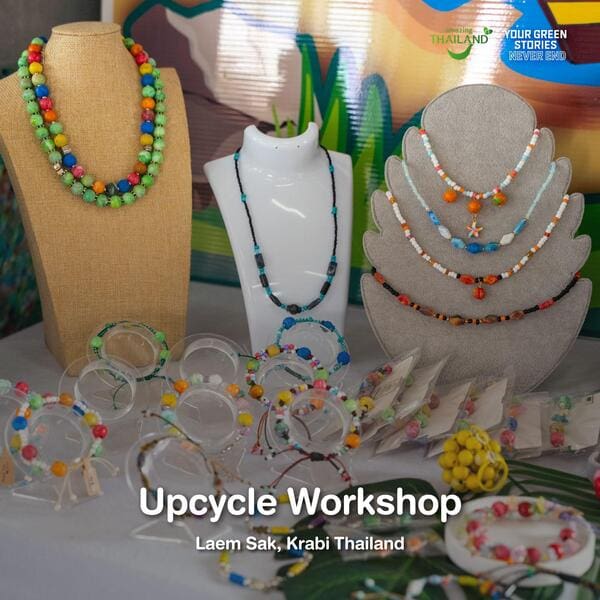
Laem Sak has introduced a creative approach by transforming discarded bottle caps into beautiful beads. This continues Krabi’s legacy as a city famous for its distinctive antique beads, known for their unique designs and artistic value. The Laem Sak beads represent a modern evolution of this treasured craft.
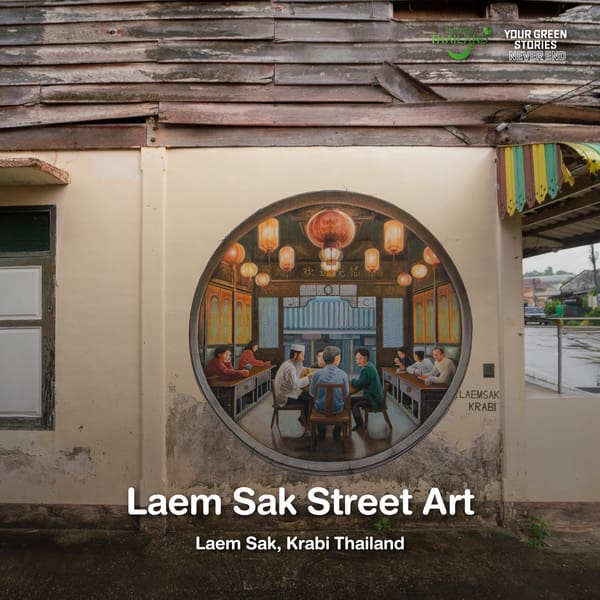
20 Laem Sak Street Art Check-in Spots Take a walking tour through the heart of Laem Sak and enjoy 20 street art murals that tell the authentic stories of the local community. Each artwork reflects the way of life of Buddhists, Muslims, and Chinese who have lived together peacefully for generations. These murals are not only visually stunning but also deeply connected to real places and the shared memories of the people
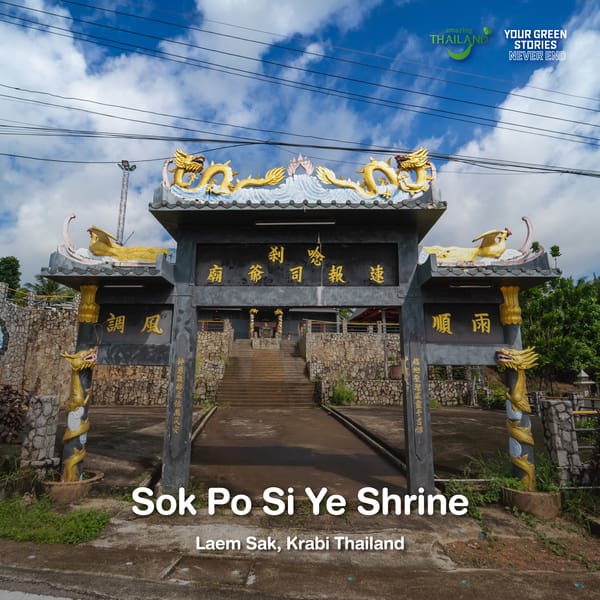
Sok Po Si Ye Shrine is a historic temple over 100 years old, perched on a hill facing the sea. It was established through the collective effort of Chinese immigrants who settled near Laem Sak Market more than a century ago. The shrine served as a spiritual anchor and a community center for education, public health, and local governance, with the deity Sok Po Si Ye as the community’s protector and guide.
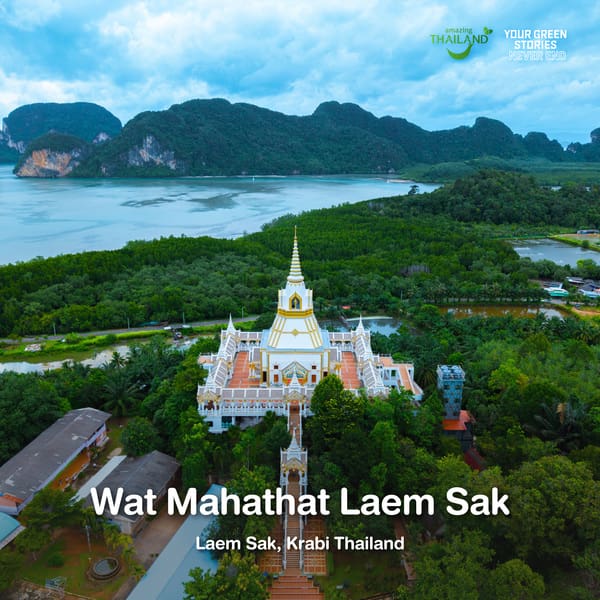
Pay a visit to the revered Phra Borommathat Chedi, built in the style of Lanna-Sri Lankan architecture. The chedi enshrines sacred relics of the Buddha, attracting devotees who come to pray for success in work, wealth, and health. From here, visitors can also enjoy a 360-degree panoramic view of the Laem Sak community
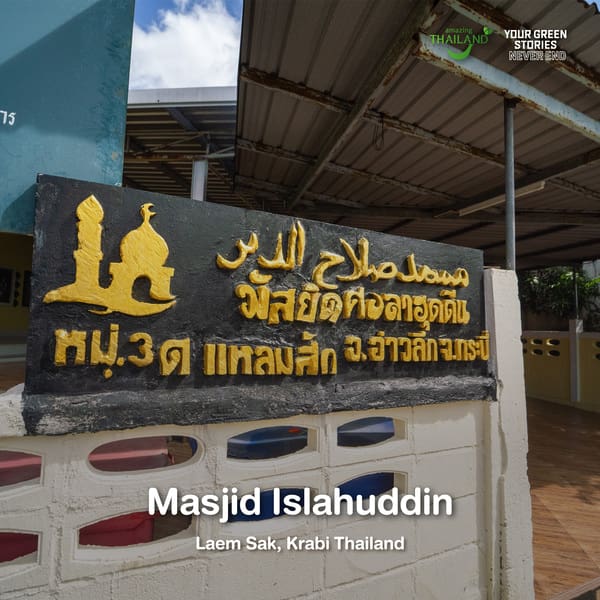
Located in the heart of Ban Hua Laem community, Salahuddin Mosque is a symbol of the Thai-Muslim community and serves as the spiritual center for local Muslims. It is a place for religious practices and a gathering point for various community activities in Ban Hua Laem.
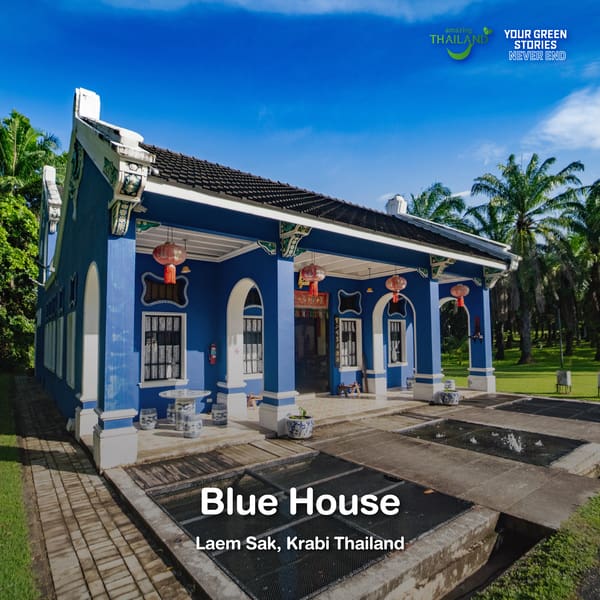
The ancient house reflects the identity of Thai-Chinese communities through its Sino-Colonial architecture, inspired by Penang. It embodies the essence of Baba culture, preserved for over a century since the migration of Hokkien Chinese settlers. Inside, visitors can experience the past through activities such as learning traditional tea brewing, practicing Chinese calligraphy, and dressing in the local Baba-Nyonya attire.
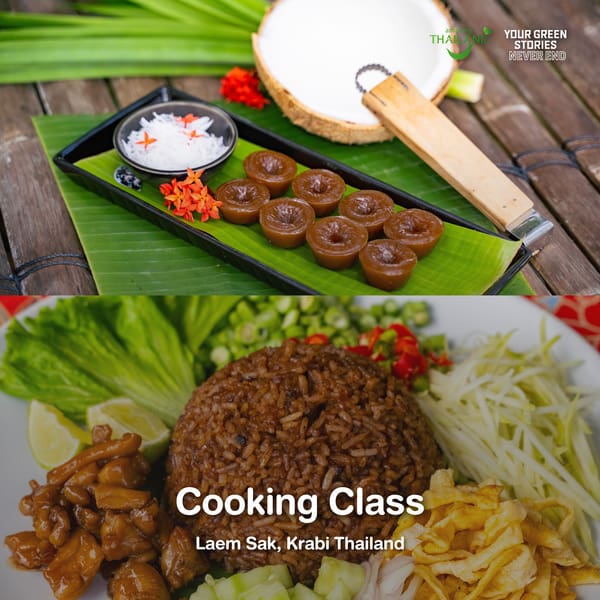
– Go Sui (Red Sugar Cup Dessert)
Go Sui is a traditional Baba Chinese dessert made from simple, authentic ingredients: flour, sugar, and coconut. This delicate treat is best enjoyed with freshly grated coconut for the full, original taste.
– Kapi Kung Tak Fried Rice
Kapi Kung Tak (shrimp paste) is produced through an eco-friendly process. Inspired by traditional local fishing practices, “Tak Koi” involves scooping fresh shrimp from the sea. The shrimp are then transformed into shrimp paste, stir-fried, and mixed with fragrant rice. Served with a variety of savory and sweet accompaniments, every bite is a complete flavor experience.
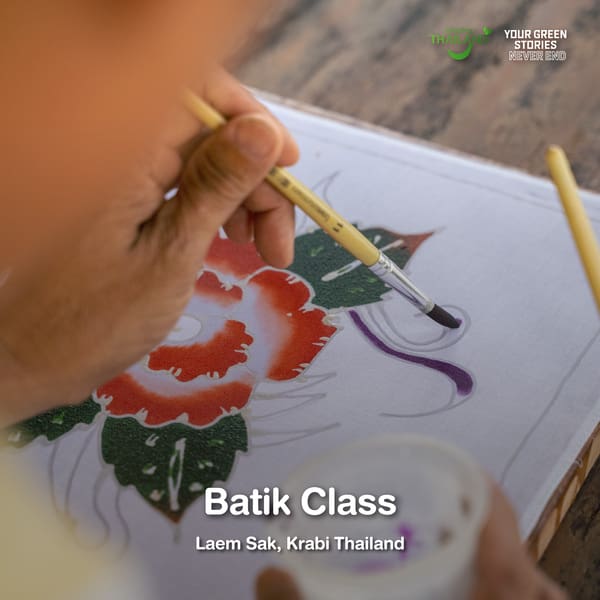
Create your own batik designs featuring cartoon fish or floral patterns. These handcrafted pieces make unique souvenirs from the Laem Sak Tourism Community
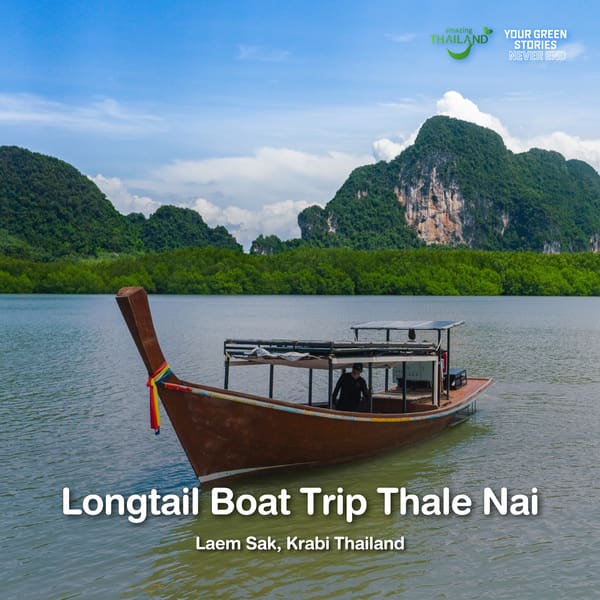
Take a solar-powered boat ride across the sea that embraces Laem Sak, known locally as the “Inner Sea,” to visit the Sea Gypsy Cave. Inside, you’ll find prehistoric cave paintings believed to be over 3,000 years old, including figures of two people standing together. Nearby, a natural rock opening shaped like a heart inspires the romantic image of “Two Lovers with the Heart of the Mountain,” a perfect spot for couples to enjoy a dreamy atmosphere.
Experience the coastal fishing lifestyle of the Andaman Sea. Thanks to Laem Sak’s unique geography, with its towering cliffs acting as a natural wind barrier, the area is ideal for aquaculture—such as farming grouper, sea bass, spiny lobsters, and sea grapes.